


Paul Heaton: ‘I’ve sold tons of records, but I don’t get any respect’
Paul Heaton: ‘I’ve sold tons of records, but I don’t get any respect’

Rob FitzpatrickFri, August 14, 2026 at 5:00 AM UTC
0
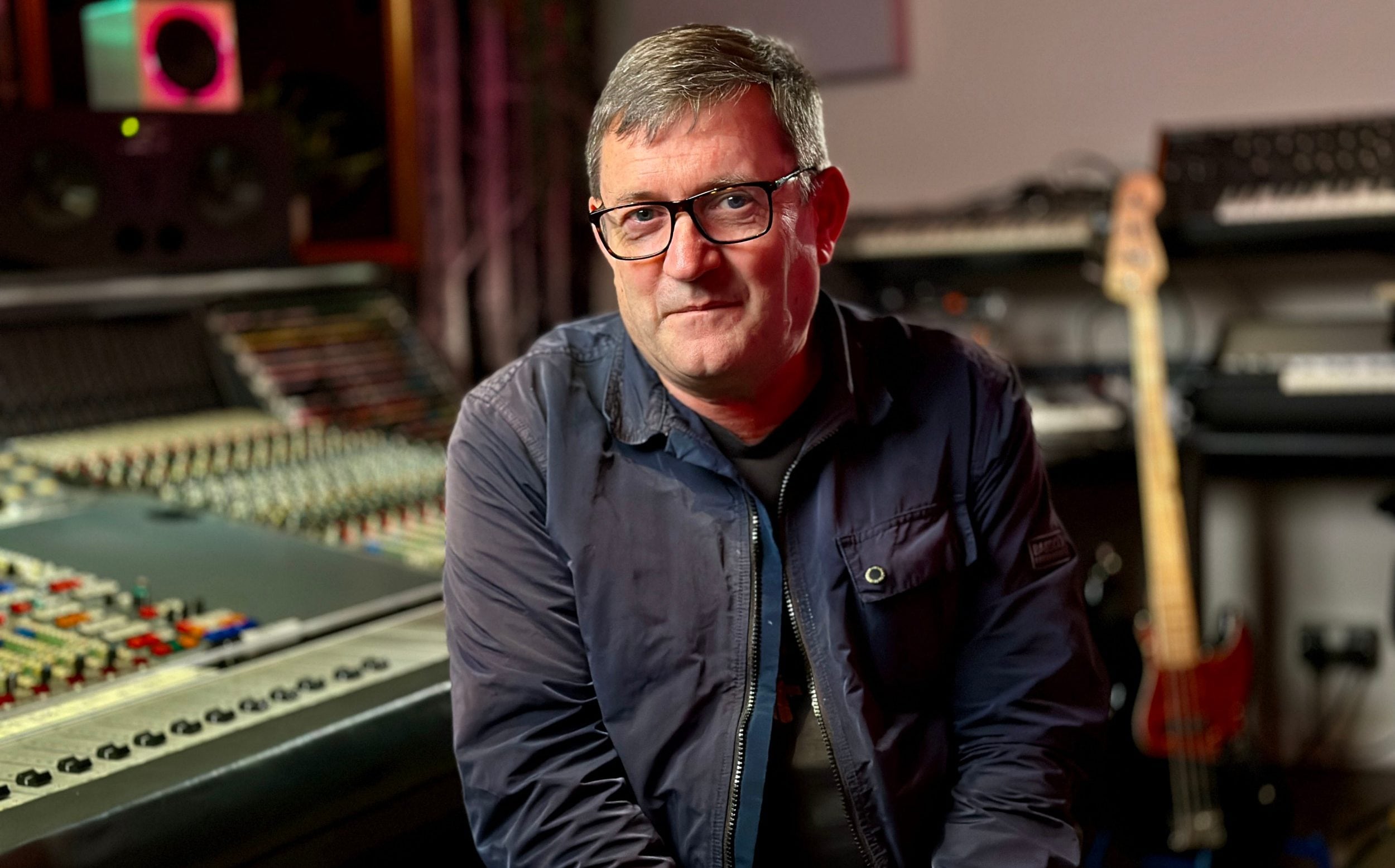
Paul Heaton was first the frontman of Hull band the Housemartins, and then founder of the Beautiful South – now he’s releasing a solo album - BBC
Paul Heaton sits opposite me outside the Metropolitan pub in West Didsbury, staring into his pint of Timothy Taylor’s Landlord. He sighs quietly. “I’m one album away from a failure,” he says. “I’ve always felt that way.”
Despite what he says, Heaton has released successful records across five decades, ever since he first appeared in the mid-1980s as the frontman of the “fourth best band in Hull”, the Housemartins. His new album, the Ian Broudie-produced Jenius, touches on all the key Heaton themes – love, loneliness, the state of the nation. The sort of people who take a “North Korean holiday” or go to “Beirut for a mid-week break” are skewered, as is “the man who put ‘div’ into divorce”.
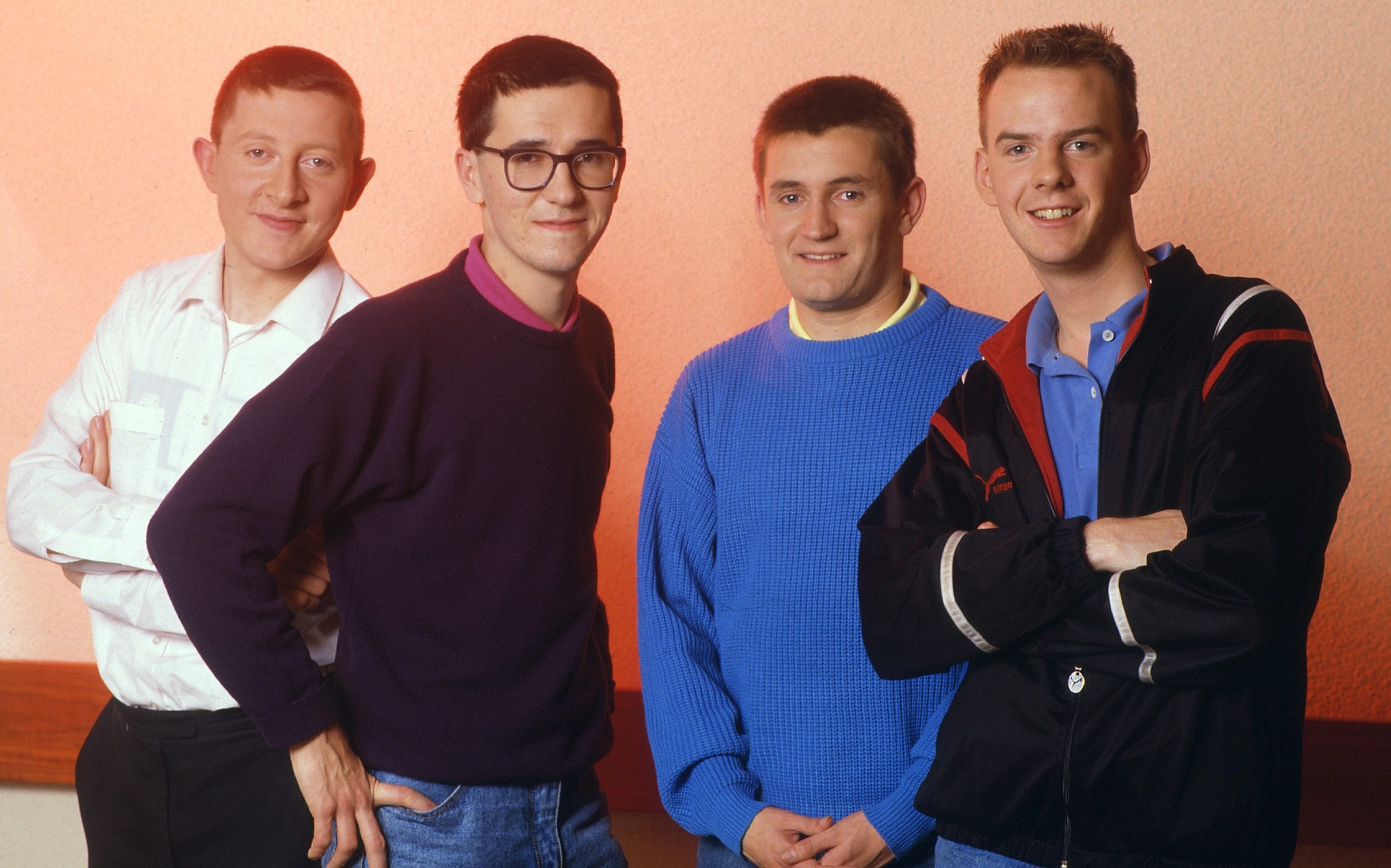
The Housemartins (left to right): Hugh Whitaker, Stan Cullimore, Heaton and Norman Cook - BSR Entertainment/Gentle Look via Getty Images
The same wrinkles, the same obsessions that have always marked a songwriter inspired by Spike Milligan, Elvis Costello and Mark E Smith, are present and this autumn’s UK tour – with tickets costing less than £40 – is selling strongly. BBC Two has just broadcast Paul Heaton Night – a full, career-spanning celebration of his work that ran for more than four hours. So while it’s undeniable that a handful of his records have underperformed, some badly, Heaton’s outright failures have been rare. And yet, here we are.
“What’s the phrase, something complex?” Heaton says. “Impostor syndrome. I don’t feel fully part of the industry. Nobody has ever covered a single track of my back catalogue. Nobody’s ever asked me to sing on a record. I’ve never even had a Mercury nomination, never mind a prize.”
You got an Ivor Novello award for Outstanding Song Collection in May 2022, a few weeks before playing Glastonbury, I remind him. “I did, yes,” he nods, as his teenage daughter takes a seat next to him. “Although I did point out during my speech that it was like an award for the kid who just turned up every week and took the nets down.” It’s not often you meet someone who so cheerfully pulls at the loose threads of their own status.
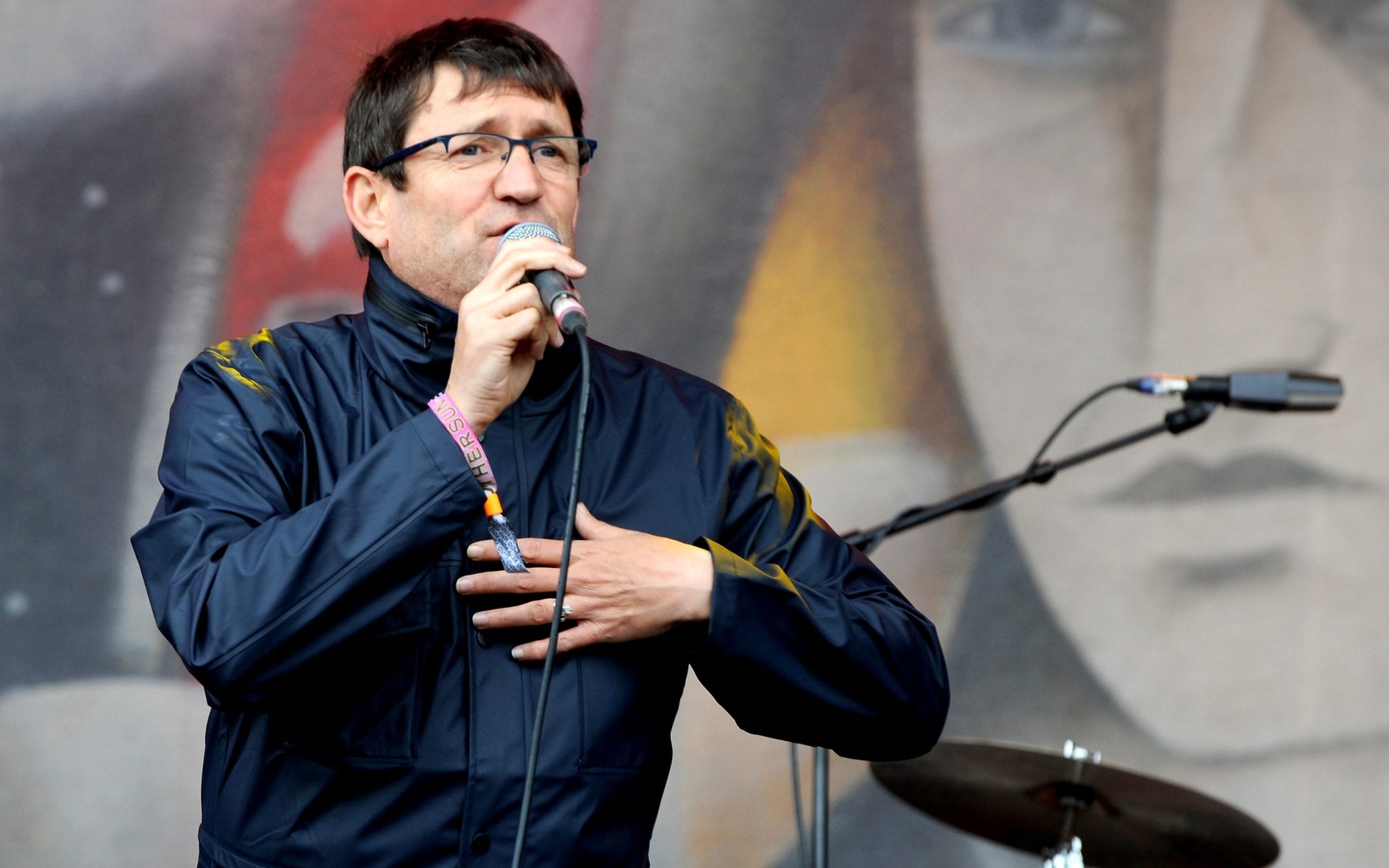
On The Other Stage at Glastonbury Festival 2016 - Shirlaine Forrest/WireImage
“I’m the opposite of somebody like Richard Hawley, who I love,” he goes on. “He doesn’t sell s---loads of records, but everybody in the industry loves him and his great songwriting. Instead, I have sold tons of records, but I don’t get that sort of…”
His words tail off. Respect, maybe? “Exactly. It’s a curse.” A pint of Moretti appears at his elbow – the Landlord tastes “off” apparently. “It’s the curse of popularity.”
Forty years ago this summer, Heaton, then singer with the Housemartins, was experiencing his first taste of pop stardom. The band routinely dressed in what looked like charity-shop cardigans and sensible shoes. Yet the huge success of the 1986 single Happy Hour (it stayed in the Top 40 for three months) pushed the group firmly into the mainstream, with good and bad consequences.
The Housemartins’ unusual blend of muscular Christianity, fierce socialism and Heaton’s republican beliefs – a pronouncement on the back of their debut album read: “Take Jesus – Take Marx – Take Hope” – provoked the tabloid press into claiming the band wanted to kill the Royal family (in 2022 he told NME the Royal family was “the one thing worth privatising”) and that the majority of the band were gay. They weren’t.
“For the first time in my life there were young women who wanted to sleep with me,” he says, smiling, as his daughter pulls a face. “That was very strange. And flattering.”
The band were very close to their audience – in age and beliefs – and would always talk to fans after gigs. “Connection was really important,” he says. The first time they were on Top of the Pops Heaton took his autograph book, thinking: “This isn’t going to happen again”.
“We could easily have been one-hit wonders,” he says. Inside the band, there were rules to how they did business. One was not having an advance from their record company, but being put on a wage. “Less than £1,000 a month,” Heaton says. “I was, and remain, in terms of the music industry and my attitude towards it, a worker. A socialist. I took a strong line on everything.”
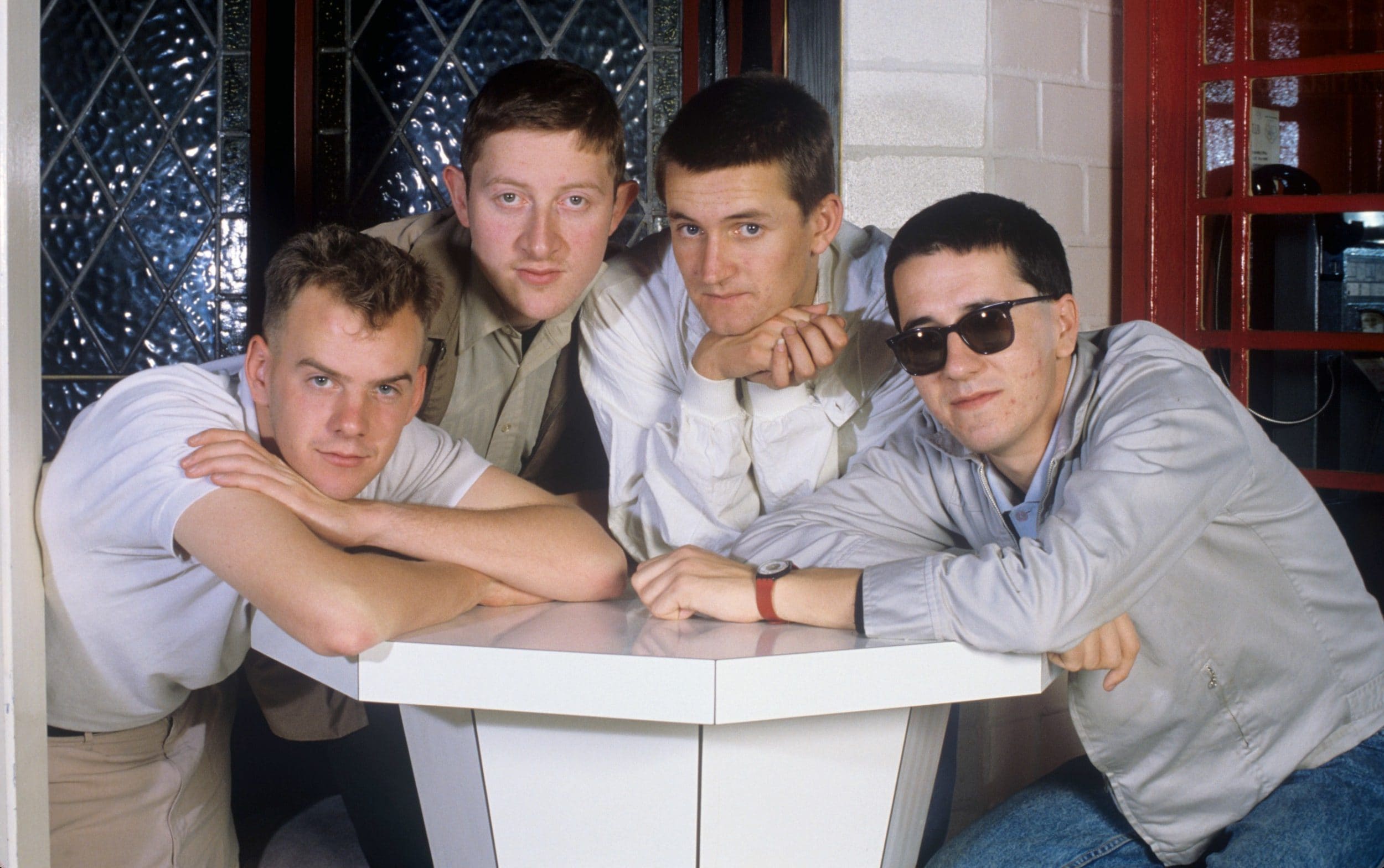
‘For the first time in my life there were young women who wanted to sleep with me’ - Fryderyk Gabowicz/Bridgeman Images/Picture Alliance
Within a year, Heaton had saved the £12,000 deposit needed for a house on Grafton Street, Hull. “I remember walking through the front door in December 1986, at the end of all the touring,” he says. “Caravan of Love was number one. I’d not been inside this house for eight months and when I shut the door there was total silence.” He was 24 years old.
Advertisement
Success had made him feel he’d been “put in a washing machine and spun around for months on end. People told me everything that I’d ever believed about myself was different. Suddenly I was very good-looking. Or very ugly. I thought I’d lost who I was.” The band’s schedule was exploding. TV every other day. Flying across Europe for interviews. The demands kept growing. More tour dates. More money. “I realised I was dealing with capitalism,” Heaton says. “All the record company was trying to do was cash in.”
Heaton wanted a long career, so in 1987 he deliberately slowed down. This created arguments with guitarist Stan Cullimore and bassist Norman Cook, who were both keen to work as much as they could. It didn’t help that the band didn’t have a manager. Heaton and Cullimore would go to meetings with the record label – Go! Discs – only for Heaton to say no “to pretty much everything”.
He wanted to keep things new and interesting, so when they toured he wanted to play unexplored spots such as Hartlepool, Kilmarnock and Warrington. Was he being deliberately perverse? “Yeah,” he says. “But it was good fun. I didn’t want to burn out or for people to get sick of us.”
After all the success in the UK, America started paying attention. Rolling Stone wrote, “the Housemartins show that dissent doesn’t have to be angry. Sometimes it can even be joyous…” “They’re on to something there,” Heaton nods.
Years later, I tell him, in 1996, he said: “Just because you’ll never get utopia doesn’t mean you shouldn’t strive towards it.” In the same Q magazine interview, he called Tony Blair a “jumped-up little s---”.
“I stand by both those things,” he says. (In 1997, Heaton voted for Arthur Scargill’s Socialist Labour Party). “There is a joy in dissent. Sadly my voice doesn’t sound great when it’s angry. I sound like a 12-year-old who’s been ordered to turn the telly off. I see utopia as a bargaining chip as well as a dream. You have to have hope, otherwise they’ll dice you like a cooked rabbit.”
In April 1988, after a final single, There Is Always Something There to Remind Me, the Housemartins split and Heaton quickly formed the Beautiful South. “There’s two parts to this story,” he says. “One is, I couldn’t see how the Housemartins could get any heavier. And I was starting to write lyrics for women as well as men. So I thought, ‘I’ll start afresh’. It was very brave thinking. Also pretty stupid.”
Heaton says instead of going for talent, he simply went for “people from Hull”. Neighbours, former roadies. Singer Dave Hemingway had played drums in the last line-up of the Housemartins. “We didn’t know what we were doing,” he says. But Heaton and guitarist Dave Rotheray’s deeply melodic, rueful and trenchant collaborations – Song For Whoever, You Keep It All In, Old Red Eyes Is Back – drove the band to around 15 million album sales.
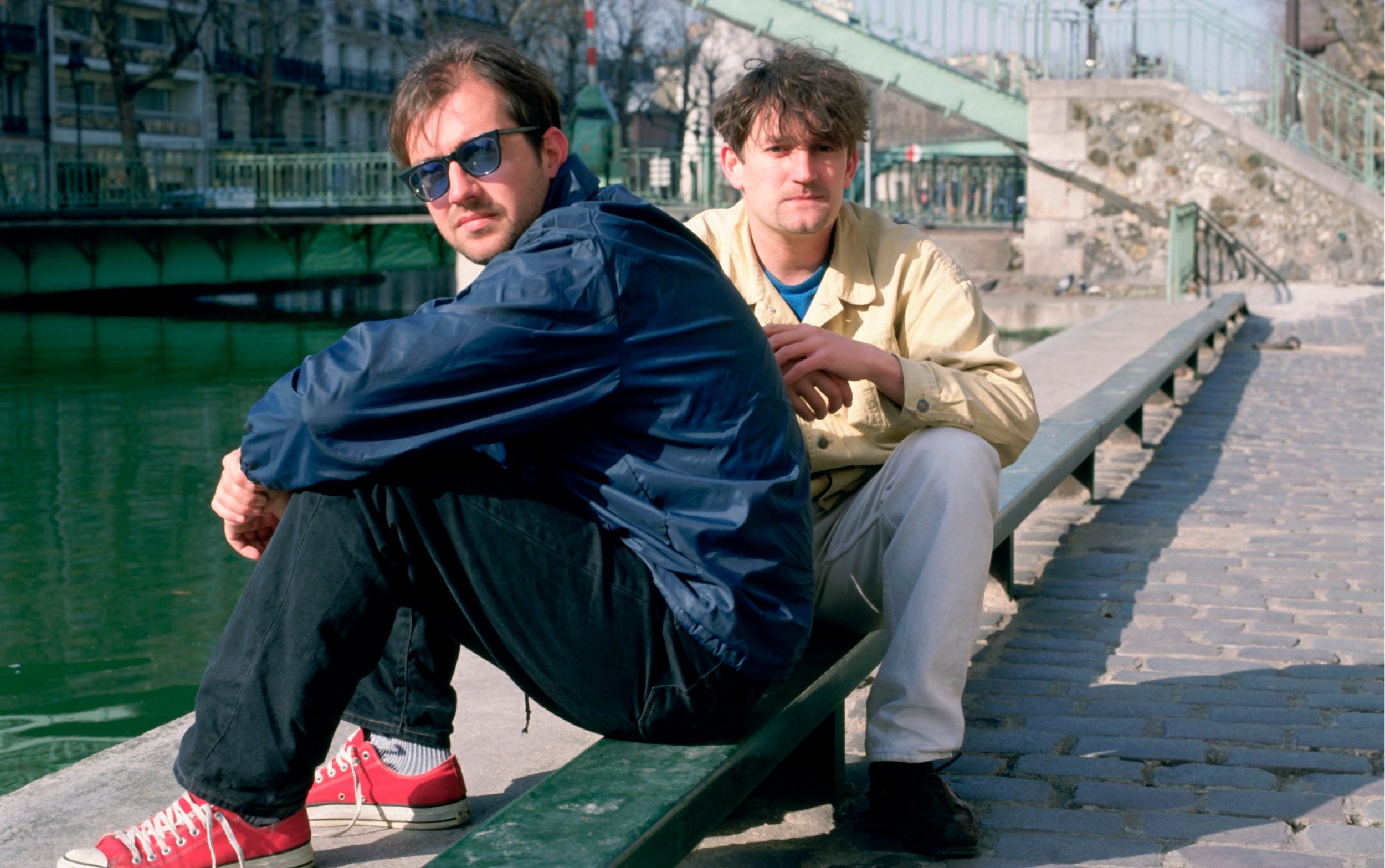
As the Beautiful South, Heaton (right) and guitarist Dave Rotheray produced deeply melodic, rueful and trenchant collaborations - AJ Barratt/Avalon/Getty Images
Briana Corrigan’s run as singer included A Little Time – which didn’t feature Heaton on lead vocal – the band’s only number one. Jacqui Abbott’s seven years marked the band’s commercial peak and her soulful voice, particularly on Rotterdam, undoubtedly helped the singles compilation Carry On Up the Charts’ triumphant run in 1994. “As a band we were everybody’s second choice,” Heaton says. “Still now, a lot of people don’t know the songs I’ve written. That’s why that album worked. It was a reminder.”
Less successful, commercially at least, were the Alison Wheeler years. The band’s momentum stalled and albums such as 2003’s Gaze were largely ignored. After splitting the band in 2007, Heaton entered a “fallow period”. He sent demos to record companies. None were interested. Abbott and Heaton reunited in 2011 for his musical The 8th. In 2020 they recorded Manchester Calling, a record dedicated to “anti-growth and anti-greed”, marked by Heaton’s anger at what he described as “the continuous tearing down of old buildings and sticking up soulless offices”.
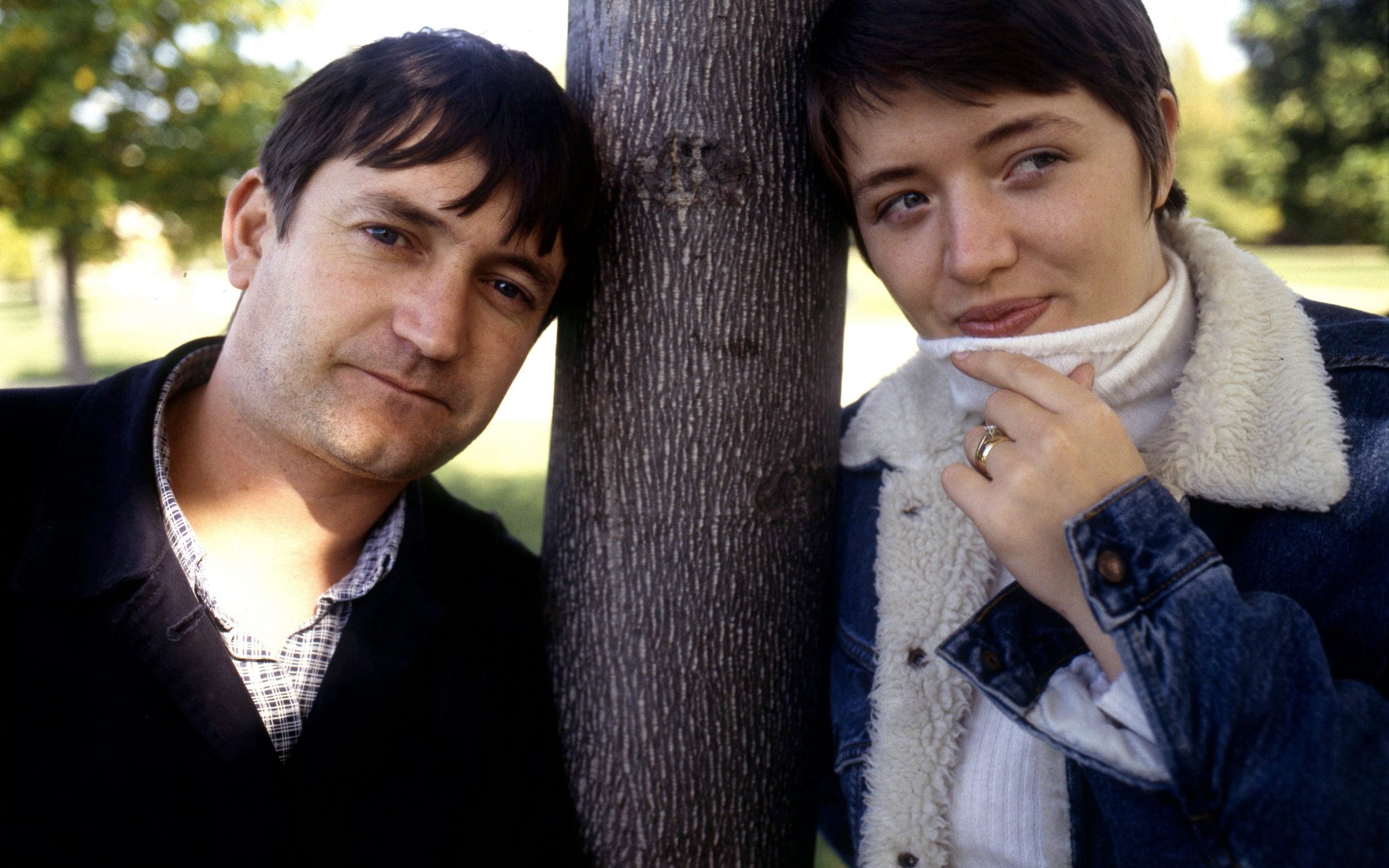
Jacqui Abbott’s seven years as the Beautiful South’s singer marked the band’s commercial peak - Martyn Goodacre/Getty Images

In 2020, Heaton and Abbott recorded Manchester Calling, a record dedicated to ‘anti-growth and anti-greed’ - Alex Lake
We meet the day after Andy Burnham, the former Mayor of Greater Manchester, became Prime Minister. So, how does Heaton feel now? “Manchester city centre’s been clobbered,” he says. “It’s perma-build. I’ve got no problem with him personally – politically, I don’t know where he is – but I do have a problem with his association with the Saudi and Russian development in the middle of Manchester. He realised too late that this growth was not spreading – Manchester’s shot up, not across. Places not far from the centre, like Harpurhey and Moston, are struggling. I don’t know who’s getting all the jobs other than builders.”
The Metropolitan fills noisily around us and I wonder, as someone who loves pubs more than most – Heaton celebrated his 60th birthday in 2022 by putting £1,000 behind the bar at 60 pubs across the UK and Ireland – what he would suggest for The Telegraph’s Save Our Pubs campaign. “I encourage people to go out much earlier,” he laughs. “Lunchtime drinking is the answer. Get in the sunshine and make the most of it.”
As his manager returns, once again, from the bar I wonder what this lifetime of restless creativity has taught Heaton about himself? “There’s an amazing amount of pleasure in making other people happy,” he says. “No matter how sad I am, seeing joy on other people’s faces always brings me happiness.”
Jenius is released on August 21 through EMI
Source: “AOL Entertainment”
