


On 'Sterling Point,' teenagers say 'like' ... like, a lot. Why does hearing teens actually talk like teens feel so refreshing?
On 'Sterling Point,' teenagers say 'like' ... like, a lot. Why does hearing teens actually talk like teens feel so refreshing?

Neia BalaoThu, August 13, 2026 at 6:21 PM UTC
0
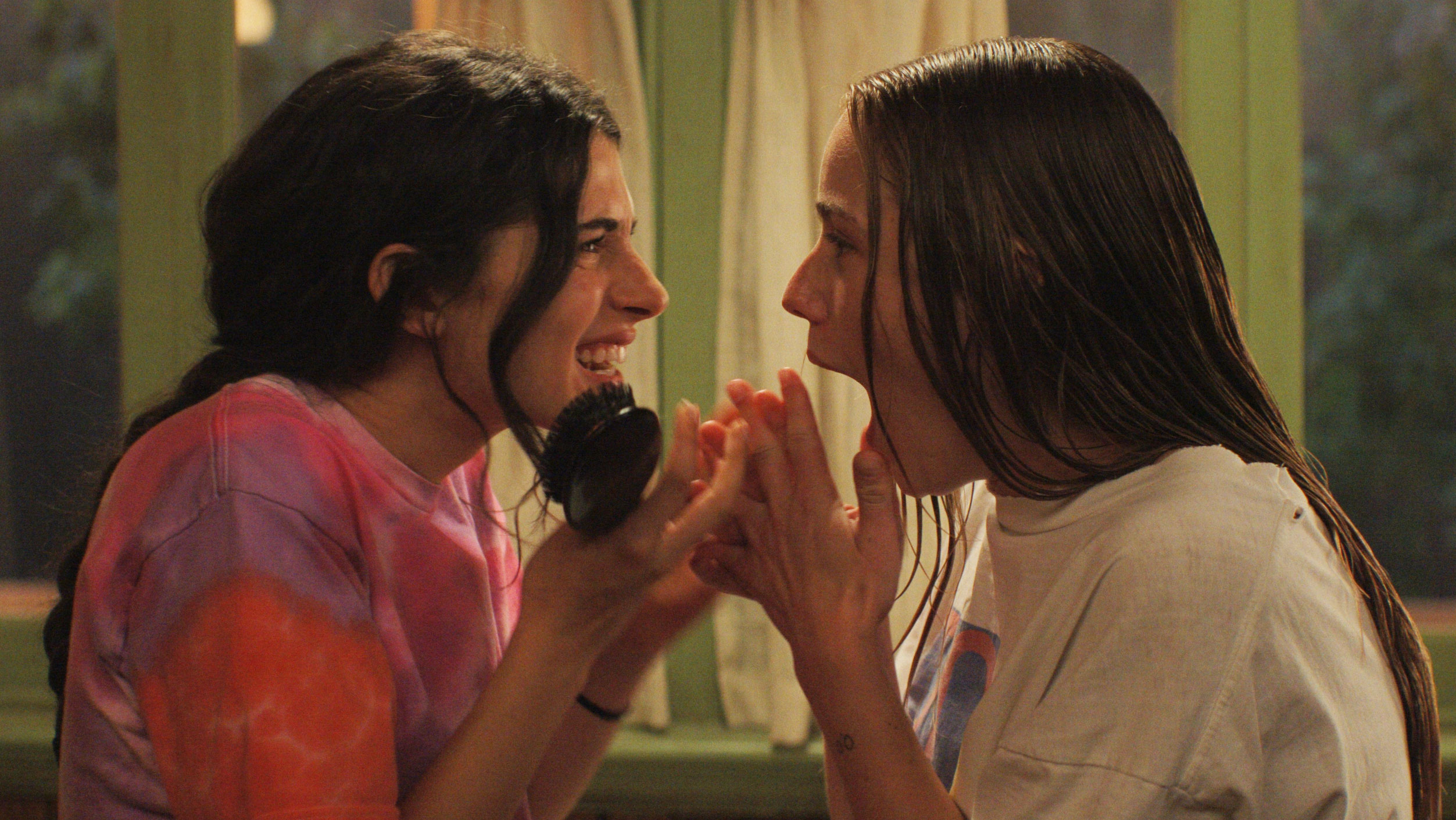
There's a moment in Season 1, Episode 6 of Sterling Pointthat hits like a gut punch. Annie Jacobson (Ella Rubin) has just spent the night celebrating her friend's little sister after she gets her first period. She and her friends throw the 12-year-old a wholesome ceremony to usher in this new chapter of womanhood: They make her a flower crown, dance by the fire and howl at the starry sky.
But the joyous evening leaves 17-year-old Annie scrambling to remember when she got her first period — except she can't. She only vaguely recalls going to a New York City bodega alone, buying tampons and watching a YouTube video to learn how to use them. Ellis (Jacob Whiteduck-Lavoie), the guy Annie's vibing with romantically, listens as she opens up about feeling robbed of her childhood and of a parent to help her through it, having been raised by her widowed father after the death of her mother.
"And I'm so mad at my dad for that, I think," Annie tells Ellis. "Like, like, why was it my responsibility to, like, make my childhood a childhood? Like, I feel like I took the fall for him or something, you know? I took the fall for him. I guess I couldn't be a kid so that he could be sad? Like, why did he let me do that?"
Sterling Point, Prime Video's latest addition to its slate of YA-focused content, is being praised for nailing something that shouldn't feel as rare as it does: teen characters that actually talk and sound like teens.
In creator and writer Megan Park's series, characters give monologues that aren't necessarily succinct or eloquent. They’re unpolished, at times convoluted and filled with lots of long pauses. It's as if we're watching these characters parse through their feelings in real time, figuring out what to say as they go. Annie, for instance, articulates her thoughts in a way that's messy and imperfect yet incredibly earnest.
"It feels honest and authentic, and not just to teenagers," Jillian Bonanne, host of the teen TV podcast Previously On, tells Yahoo. "It's just natural, and a lot of scenes reminded me of how me and my friends talk, so it feels like you're in on the conversation with the characters. We actually hear these characters saying 'like.' I think a lot of shows try to refrain from that, but that's how people talk."
Park began her career as an actor, starring in the hit teen drama The Secret Lifeof the American Teenager from 2008 to 2013,before pivoting to work behind the camera. She previously wrote and directed 2021's The Fallout and 2024's My Old Ass. But Sterling Point marks a new milestone for the indie filmmaker: It's her first time as a showrunner.
Pivoting away from the precocious know-it-all
Sterling Point comes at a time when television is brimming with coming-of-age dramas. Prime Video alone has an impressive slate of YA series, including TheSummer I Turned Pretty, Maxton Hall,Off Campus, Every Summer Afterand Elle. Sterling Point is the streamer's latest addition. It's also in a league of its own.
"I really think putting the trust in a showrunner who already set up her signature style that was well-received makes all the difference," Stefania Marghitu, assistant professor in film and television at the University of Alabama and author of Teen TV, tells Yahoo. "[There] are a lot of things about the other Amazon series that are striking and that are good to me, but this is the best writing I've seen."
Marghitu points out that Park's distinctive approach to writing captures how Gen Z talks without feeling contrived.
"Everyone's obsessed with authenticity, but it's hard to write teens authentically," Marghitu says. "With Seth Cohen in The O.C. and with Dawson's Creek before that, it was all about making the teens sound like TV writers — precocious, smarter than they are — to appeal to that older fanbase as well."
Where Seth Cohen and Dawson Leery types stand out as mature-sounding, almost hyper-articulate teenagers, Sterling Point's Annie and Ramona, for instance, feel more reminiscent of angsty ‘90s teen Angela Chase of My So-Called Life. The word "like" is a staple in Angela's vocabulary, and her metaphors aren't always eloquent (see: "like a toaster, or something”).
Advertisement
After a night of partying, Annie confides in her half-sister Ramona (Amélie Hoeferle) about drunkenly hooking up with Rory (Daniel Quinn-Toye), her friend from middle school. Instead of judging her, Ramona listens thoughtfully before offering up some insight.
"This is good. Like, it's good to be messy sometimes. It's important. Like, way more important than whatever you were made to think is important. Like, uhh, like, math," she tells Annie. "You don't have anything to feel guilty about. Like, at all."
Like Angela, Annie and Ramona are deeply reflective. There's an agonizing sincerity in the way they speak.
"[Sterling Point] feels a lot more like the kind of earnestness of My So-Called Life because there's a universality to it," Marghitu says.
Dialogue that 'feels like a FaceTime call'
Yet Park still manages to captivate an older audience without making her characters sound more grown-up than they are. As Marghitu puts it, there's a "timeless, universal appeal" to Sterling Point that builds on the indie, coming-of-age sensibilities Park established in her films.
"That was important to just always retain authenticity across everything as much as possible, and keeping it grounded and real," Park told Yahoo Canada in a recent interview. "But the dialogue for me, I think coming from the acting side, it kills me when it feels like it's not exactly how a real human being would talk."
She also credited her cast for keeping it real. "I give the actors a lot of freedom," Park continued. "You know what the scene's about. You know your character. If you wouldn't say it that way, say it how you feel like your character would say it. Or if … I made a millennial joke, make it a Gen Z joke. … I really want them to weigh in on all of that every step of the way. … But also, you don't want it to seem like you're trying to be trendy at the same time, you just want it to feel like normal people talking."
That's landing with fans. As one TikToker put it, "Gen Z loves Sterling Point because it feels like a FaceTime call."
Letting teens not have the right words
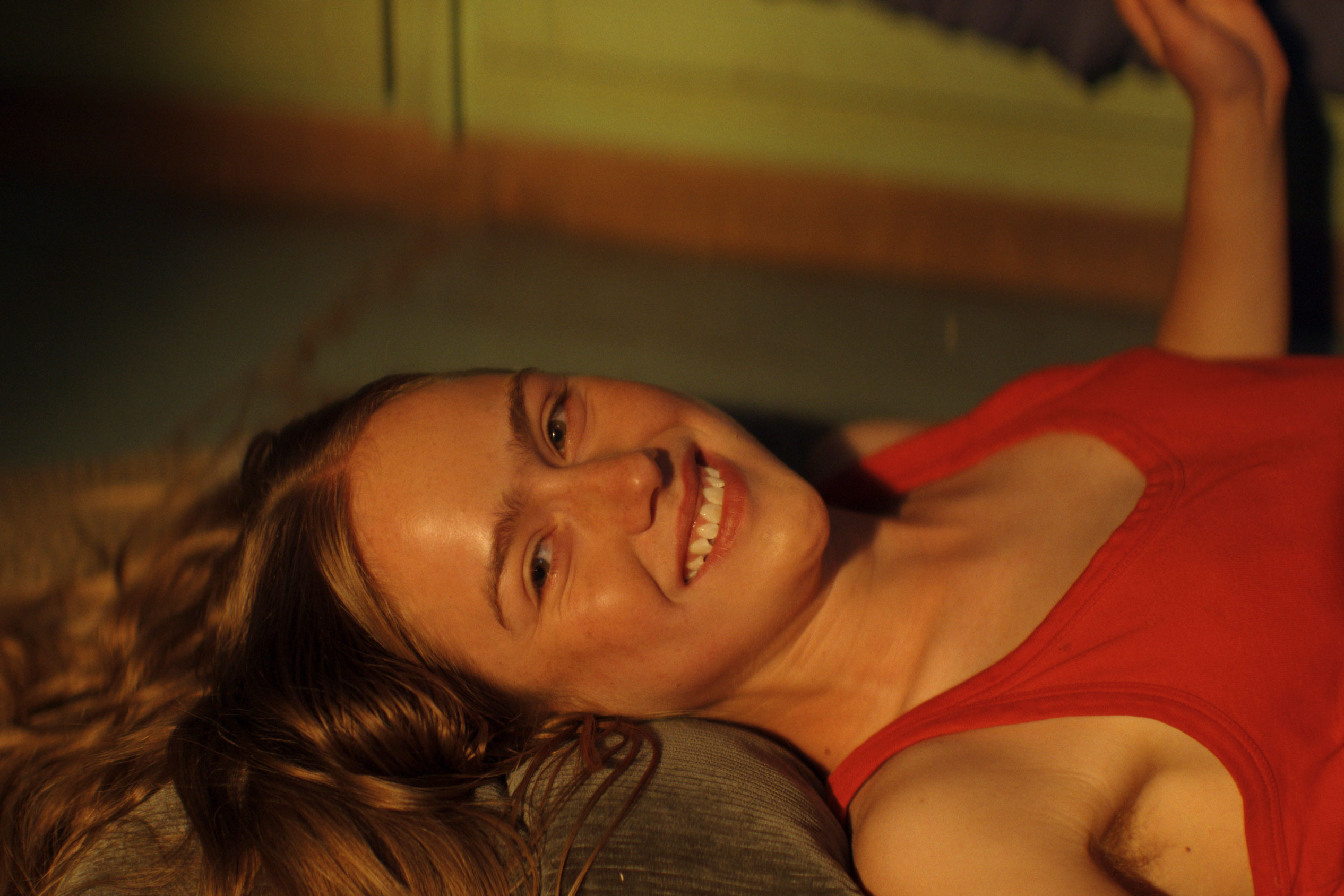
Hoeferle plays Ramona.
The "likes," "ums," ramblings and repetitions aren't merely stylistic choices — they give the characters space to be uncertain. Park's characters aren't required to have fully formed understandings of what they're experiencing. Perhaps that's what sets Sterling Point apart from other teen dramas of both the past and present: There's room to be inarticulate. There's room to doubt.
"There's something about Gen Z where they've been exposed to everything on the internet, life, you know, when COVID happened — all these different things have happened to this generation," Marghitu says. "Mental health visibility is really strong here."
But teenagers have always rambled, backtracked, said "like" too much and struggled to explain themselves. The difference is, Park lets them.
On Sterling Point, navigating the messiness of coming of age seldom results in a polished TV monologue. Chances are, the words you say following a major revelation — like finding out you have a half-sister or realizing you never really knew your late mother — aren't going to be perfect. They probably won't even sound "right."
But none of that matters. Not to Park, anyway.
Source: “AOL Entertainment”
